Indiana Prairie Farmer publishes a column written by Tom Bechman with the help of CCAs for CCAs and their clients. With permission from Prairie Farmer we are posting these Soybean and Corn Pest Beat articles on the CCA website. Many thanks to the authors and the support of Indiana Prairie Farmer.

Corn Pest Beat Articles
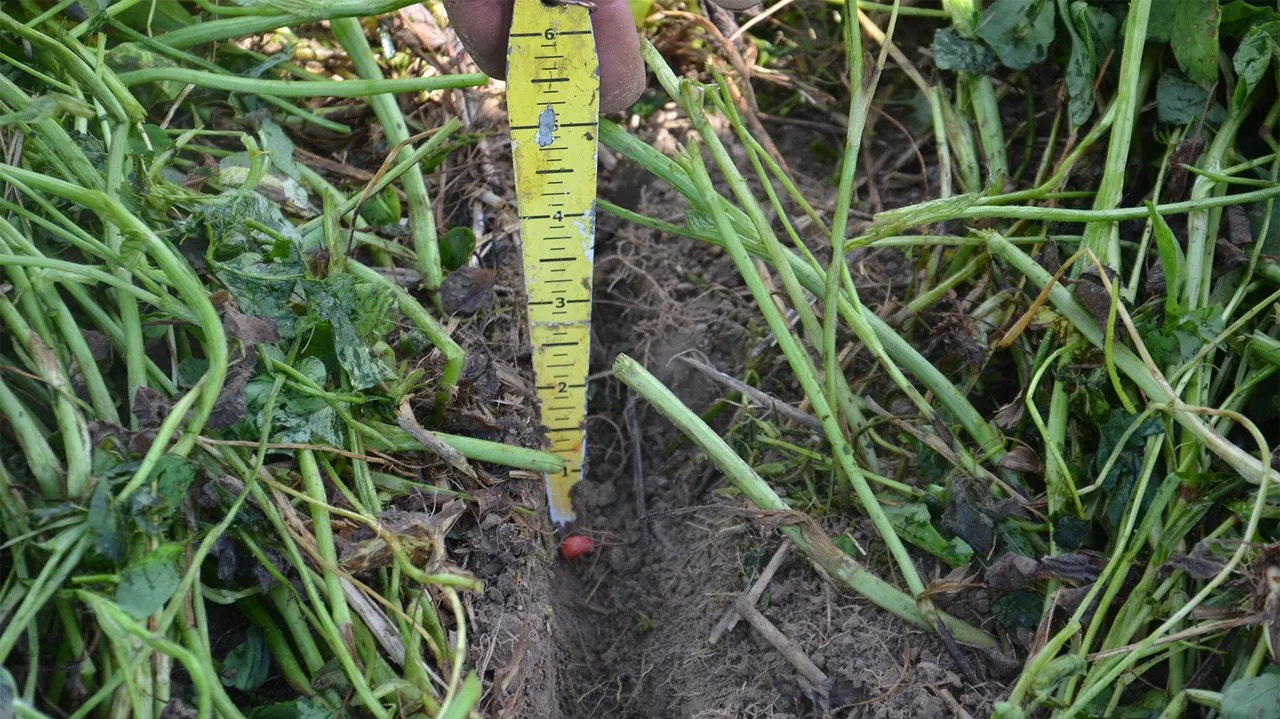
Avoid the ‘green bridge’ from cover crops to corn
The Indiana Certified Crop Adviser panel includes Danny Greene, Greene Crop Consulting, Franklin; Brian Overstreet, soil conservation coordinator, Rensselaer; Dan Quinn, Purdue Extension corn specialist, West Lafayette; and Dan Ritter, Hoegemeyer Hybrids, Rensselaer.
My daughter informed me of the “green bridge” that comes with cover crop adoption, meaning insects will move from the covers over to my cash crop in the spring. I don’t want to see increased pest pressures in corn next year as I test out cover crops. What should I do?
Greene: You could terminate the cover and wait a few weeks before planting to break the bridge. Or you could use the green bridge to keep beneficial insects in the field. There are several insect control options at planting time that can assist in reducing impact while keeping something green in the field, such as insecticide seed treatments or in-furrow insecticides as liquid or dry applications. Consider leaving a gap in time between termination of the cover crop and planting, and use an insecticide seed treatment.
Overstreet: With proper scouting and planning, the green bridge generally is not an issue. Having an early burndown program at least two weeks before planting can help. And read the Purdue Crop and Pest report each week to get a heads up on if they are seeing issues with cutworm and armyworm to the south.
You could use a cover crop that will winter kill, such as oats and radish, to begin with. Then, you can move into cover crops that overwinter once you get comfortable with the management. Adding a cover crop to your system can be very beneficial in the long run, but it can add to your management of the crop, scrutinizing when you burn down and scouting diligently for pests.
Quinn: The two main factors to consider are the cover crop species and timing of cover crop termination. Using a legume cover crop rather than a grass species ahead of corn can help reduce the potential for certain insect pests and diseases to build up in the cover crop and carry over into the following corn crop. Grass cover crops such as cereal rye can serve as a “green bridge” that allows some pests and pathogens to persist between crops.
Termination timing is also important. When possible, targeting cover crop termination at least two weeks before corn planting can help reduce concerns while also limiting excessive cover crop biomass that may interfere with planting, emergence and early-season corn growth.
Lastly, when planting corn following a grass cover crop, research has shown that insecticide and fungicide seed treatments can provide additional protection against early-season insects and diseases that may become more prevalent in a cover crop-corn system.
Ritter: Your daughter has an excellent point. With any new system, there are advantages and disadvantages. Weigh the pros and cons for the cover crop system. You may see increased pest pressure in certain cases and perhaps decreased in others. Consider the overall soil health, potential reduced weed pressure and additional nutrient capture.
Making cover crops work takes some additional management. In this case, increased scouting may be required to monitor those pests that are more prevalent in cover crops. Other options would be terminating the cover crop at least a couple weeks ahead of the intended cash crop. This can reduce the food source of the pest species you are concerned about. For further information, visit the Purdue University bulletin AY-354-W.