Understand what tissue sampling can and can’t do
The Indiana Certified Crop Adviser panel includes Steve Gauck, an agronomy manager for Beck’s, Greensburg; Jeff Nagel, agronomist for Keystone Cooperative, Lafayette; Marty Park, agronomist with Gutwein Seed Services, Rensselaer; and Dan Quinn, Purdue University Extension corn specialist, West Lafayette.
I never pull corn tissue samples, but I hear sampling results are a good tool. If so, how do I develop a sampling routine?
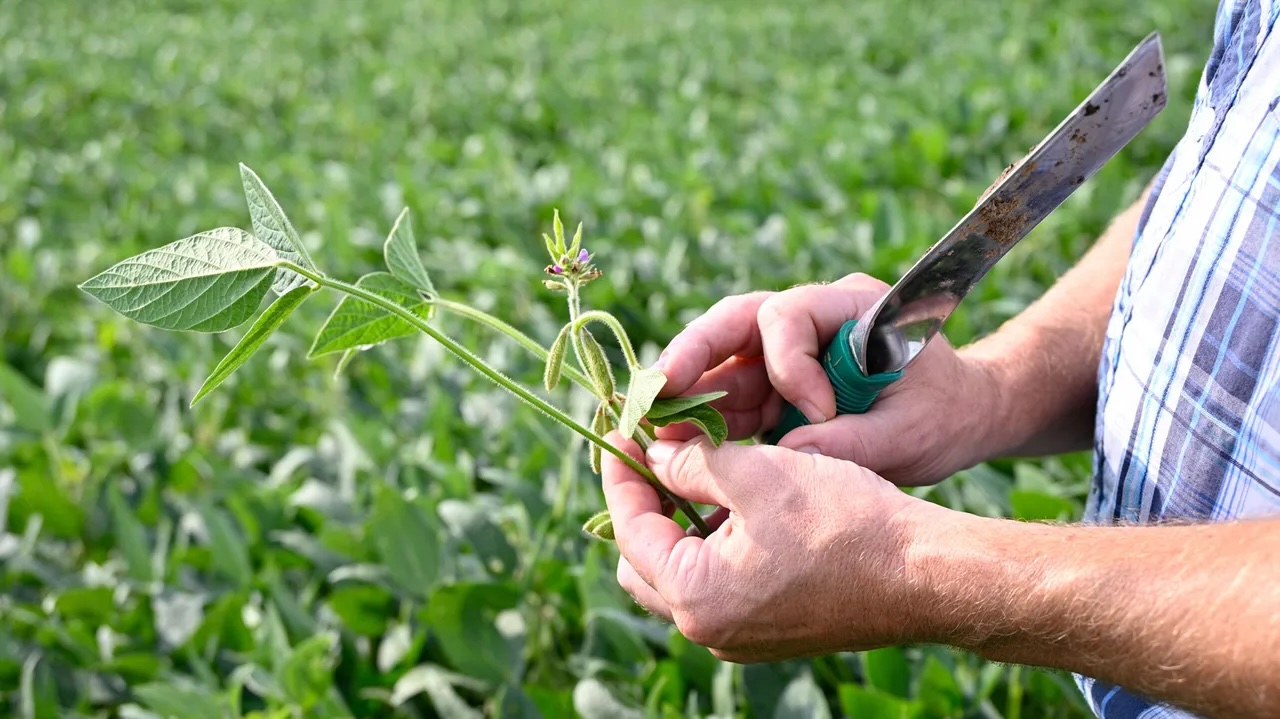
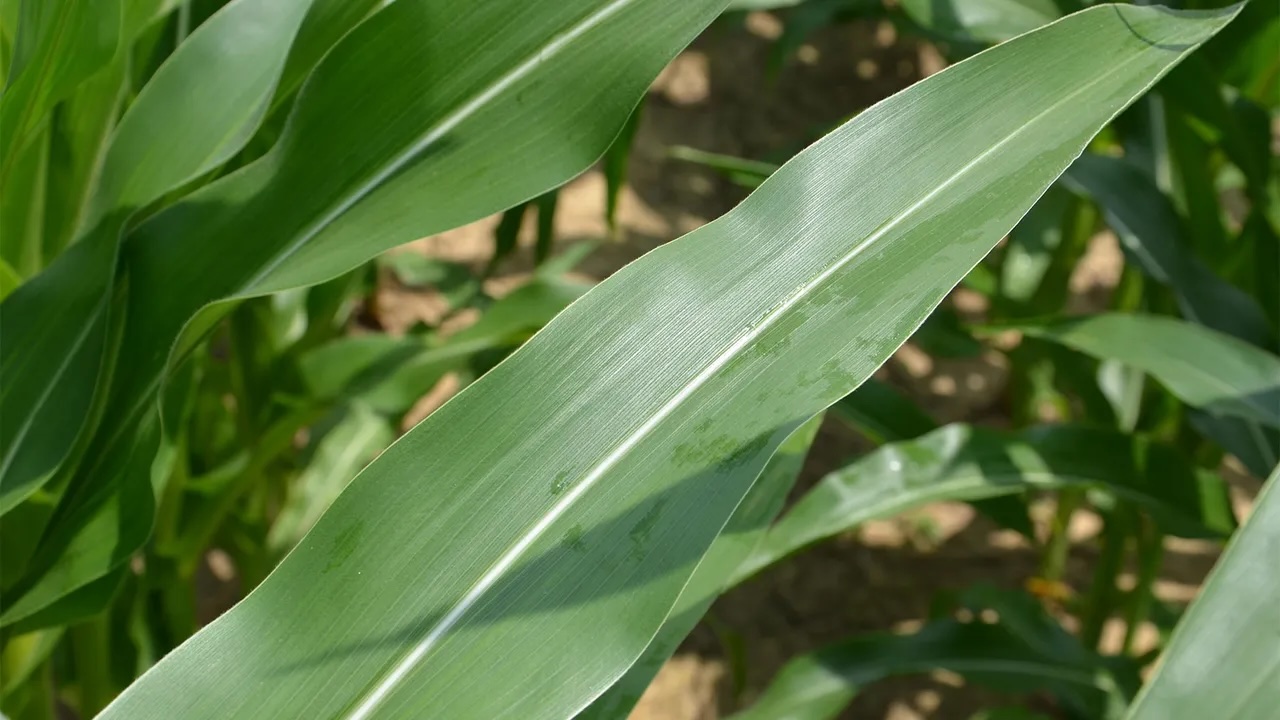
Gauck: Tissue samples offer a snapshot of what is going on in your corn plant. Use this to determine what could be a yield-limiting nutrient deficiency. It may help plan what nutrients to apply in a future application or suggest changes that may need to be made in your soil fertility program. It can also determine if root compaction isn’t allowing nutrients into plants.
Before sampling, decide the goal. Is this to diagnose a problem, is it a one-time look at progress or will it become a weekly routine?
Pull soil samples representative of the area tested. Tissue tests in combination with soil tests set up better decisions. Consider pulling soil and tissue samples from both high-yielding and low-yielding areas. Use soil and tissue samples together to compare differences. If you test routinely, pull samples from the same representative areas each time.
Nagel: There are two primary uses. The first is good versus poor sampling along with paired soil tests to confirm a nutrient deficiency. The second is in-season monitoring at set sampling intervals based on growing degree days or growth stages.
In-season monitoring provides insights. Approach it with a learning attitude and realistic expectations. Be cautious making a nutrient recommendation from a single test or pursuing a certain “concentration.” We prefer three or four samples at set growth intervals pulled in the same area over a growing season. Evaluate levels and trends. Beginning silk has the largest dataset from research. Trends can provide some insight.
Consider this real scenario. Boron in tissue tests in an irrigated field consistently trended borderline-to-below normal at all growth stages. We had more confidence in the trend of four tests versus one test to incorporate boron.
Park: Tissue samples only tell you nutrient levels in the plant at the specific time you sampled. Unfortunately, they don’t tell you nutrient levels in the soil. Weather can greatly influence results. I frequently pull soil samples in a “trouble spot” and in a nearby “good spot” to sort out actual soil nutrient deficiencies from plant uptake issues.
Some growers and agronomists utilize a tissue sampling routine that they follow throughout key times. This information helps determine the need for applying supplemental nutrients by foliar application to maximize yield. Accurate tissue sampling frequently occurs when it isn’t very comfortable in the field.
Quinn: Understand what tissue samples can and cannot tell you. Make sure they’re taken and interpreted properly. They’re most valuable when something looks wrong. Then, comparing tissue samples from “good” and “poor” areas helps determine whether nutrient stress is a factor. Other issues that restrict roots or water uptake may drive symptoms instead.
Tissue testing also helps identify nutrient deficiencies low enough to limit yield but not yet severe enough to see. Then, tissue results help refine nutrient programs for future years, especially if low levels consistently appear in the same fields or zones.