Don’t rely on stem appearance for soybean harvest timing
The Indiana Certified Crop Adviser panel includes Betsy Bower, Purdue Extension senior research associate, West Lafayette; Abby Horlacher, Nickel Plate Consulting, Sheridan; and Brian Mitchem, Farmer 1st Agronomy Consulting Services, Decatur.
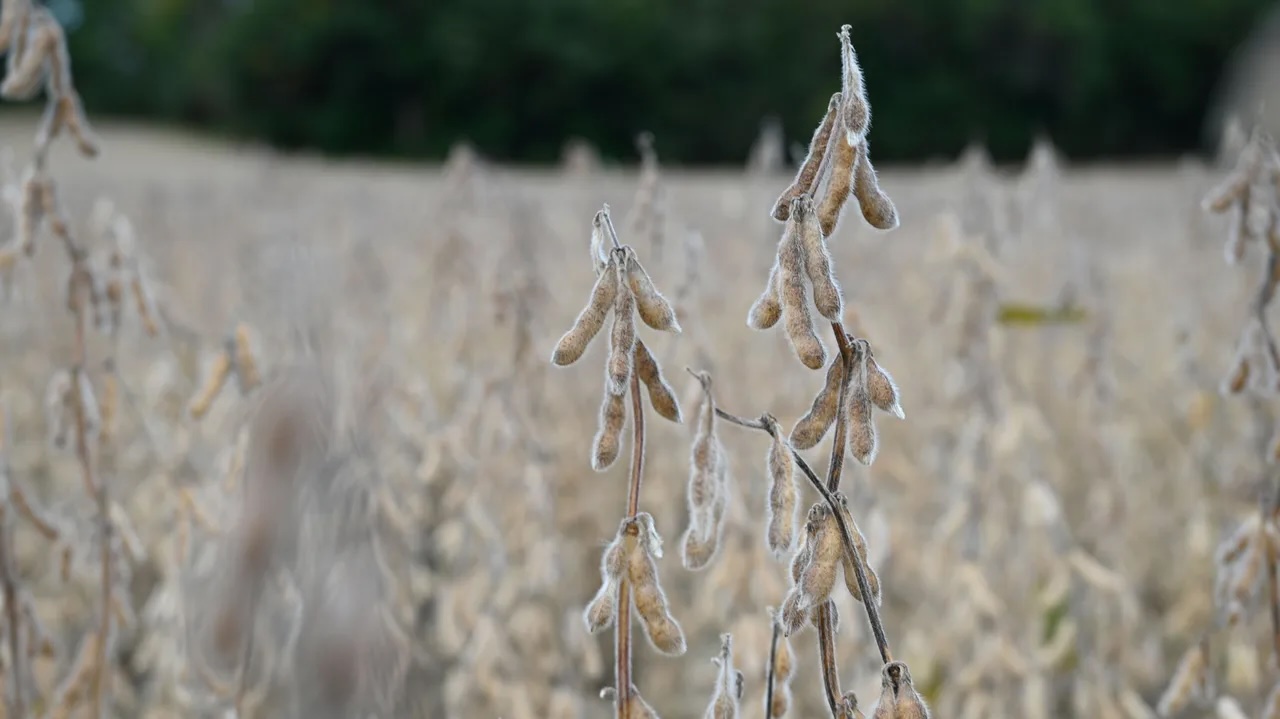
My daughter says that even though soybean stems are green, there could be a shattering risk if pods are brown. If this is the case, how do we decide when to harvest? I would let them dry down some more in the field, but I don’t want to lose yield to shattering.
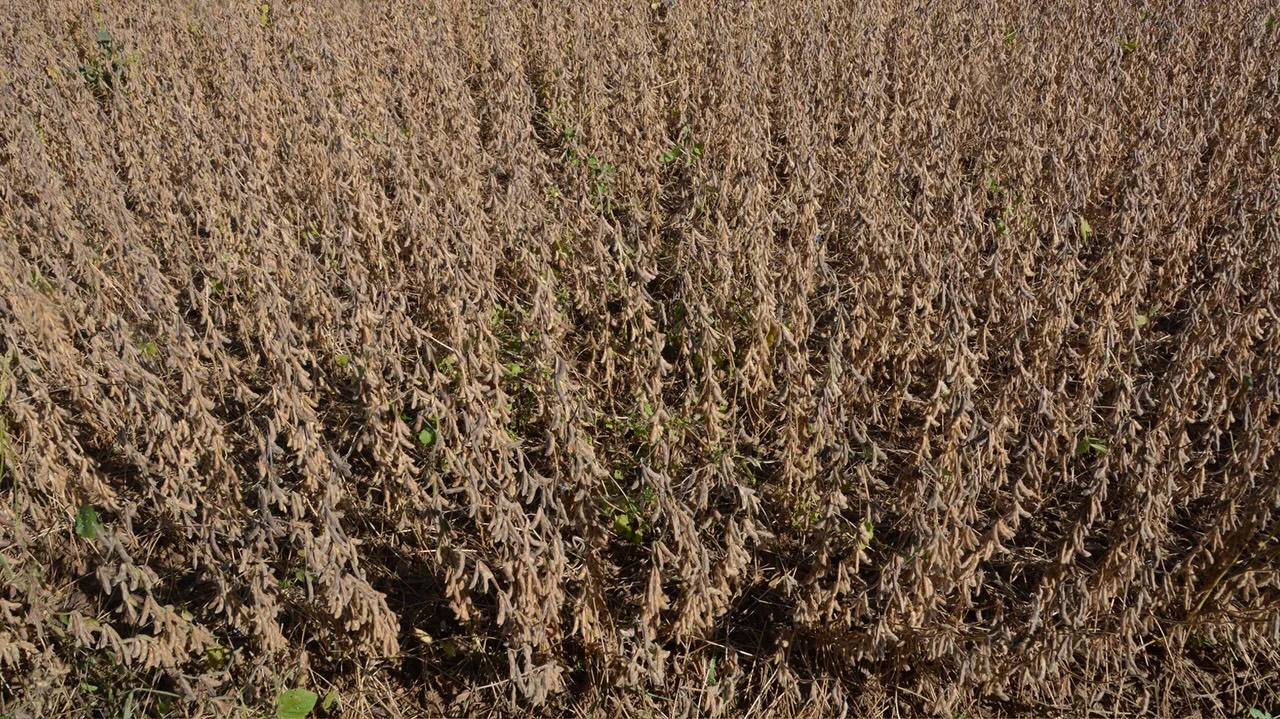
Bower: You need to harvest soybeans based on seed moisture and pod maturity. All too often, farmers wait to harvest soybeans based on stem dryness while losing seed moisture and overall yield, as well as potentially increasing the chances for shattering.
When stems are green, adjust your combine to improve harvest. You can harvest a little slower, increasing reel speeds 10% to 25% faster than ground speeds. You may even need to tighten the cylinder or rotor clearance and increase speed. But you will also need to monitor seed splitting and seed coat damage that can occur. Review the University of Nebraska CropWatch article “Equipment Adjustments for Harvesting Soybeans at 13%-15% Moisture.”
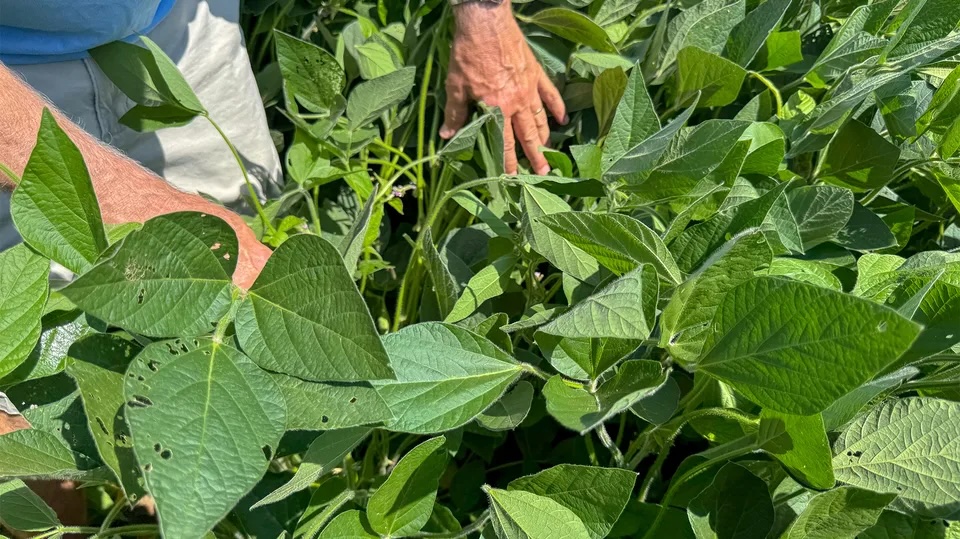
Horlacher: Yes, green stems are not always a sign that grain is still too wet for harvest. Monitor grain moisture. If soybeans are at an ideal moisture, start cutting after the morning dew has burned off and before the dew starts to set in the evening. This will make cutting through the green stems easier.
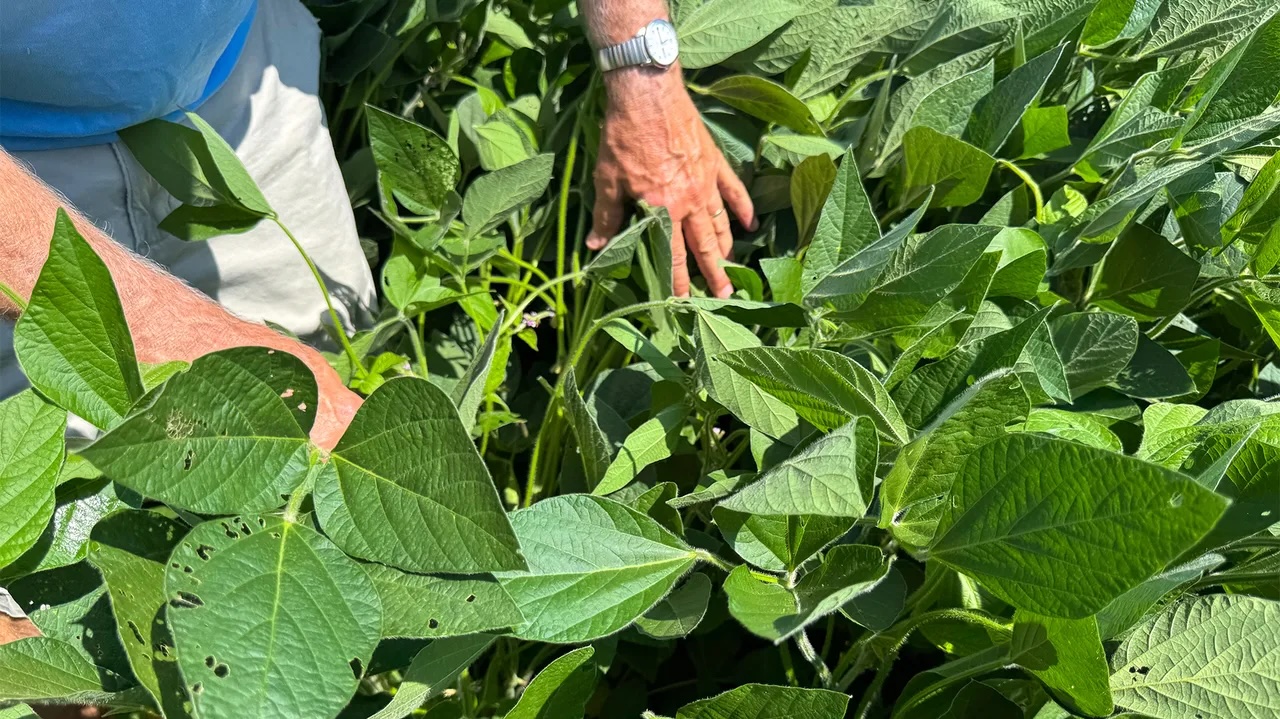
Mitchem: Early harvest of dry soybeans with green stems is experienced by many. The better your late-season plant health, the greener stem you will see. Much of what we do to enhance soybean yield will increase plant health. Soybeans die by digesting themselves to achieve final grain yield, including stem tissue. If you had ample plant health and soil resources, then it’s a higher probability of greener stems.
Your daughter is correct; prioritize harvest timing based on soybean moisture. The risk of yield loss to shattering once soybeans fully mature is real. As soybeans dry and then get wet with rainfall, the grain will swell and shrink each time rain occurs. This can shatter the pod, and soybeans can be lost. Some believe that each time the grain swells and shrinks, some dry matter is lost with each cycle.