

Slash soybean cyst nematode populations with these strategies
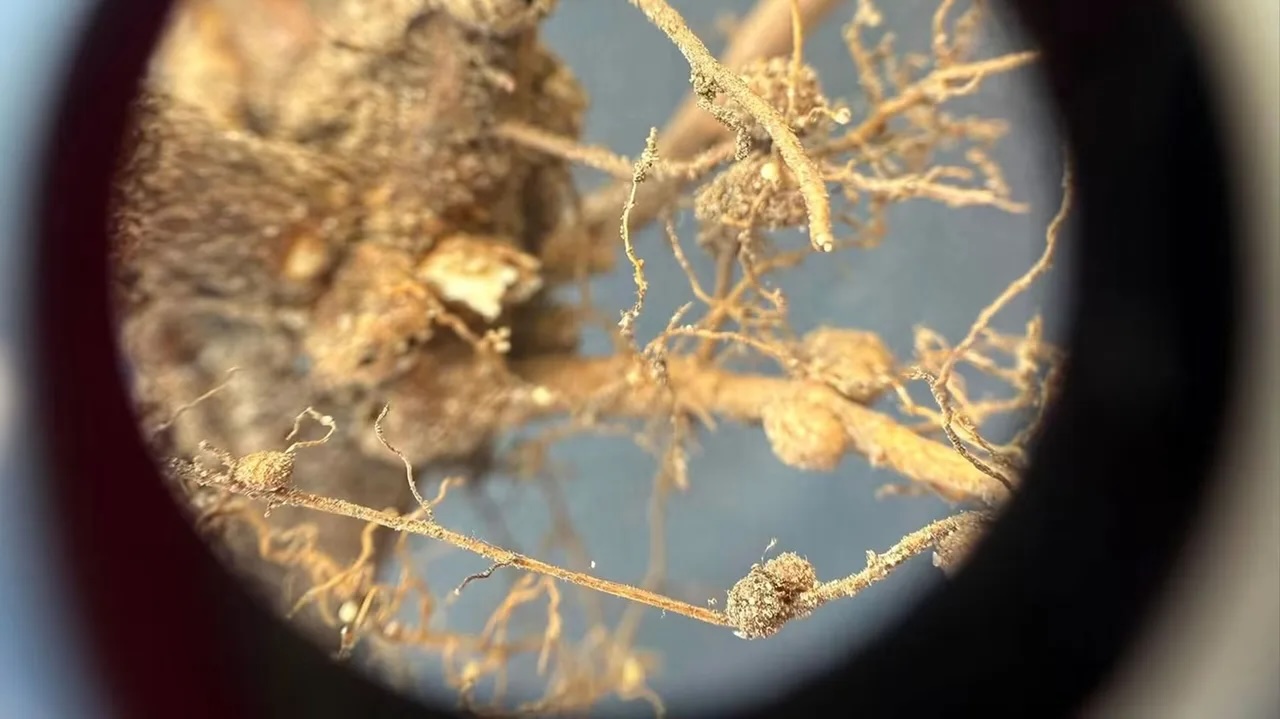
The Indiana Certified Crop Adviser panel includes Danny Greene, Greene Crop Consulting, Franklin; Brian Overstreet, soil conservation coordinator, Rensselaer; and Dan Ritter, Hoegemeyer Hybrids, Rensselaer.
I’ve had solid soybean cyst nematode populations in one of my rented fields over the past few years. Even though I’ve always ran a corn-soybean rotation, would it be worth going corn-on-corn for a few years to reduce the SCN pressure? Or how can I break up the SCN population in that field?
Greene: Once soybean cyst nematode becomes established in a field, eliminating it isn’t realistic. From that point forward, the goal is management — keeping populations low enough to protect soybean yield.
Growing corn can help because SCN cannot reproduce on it. However, a corn-on-corn rotation won’t eliminate SCN. The better long-term strategy is to combine nonhost crops with rotation among soybean varieties having different sources of SCN resistance. PI88788 is still the most common resistance source, but many SCN populations have become better able to reproduce on it. When available, rotating to varieties with other resistance sources, such as Peking, can help.
Don’t overlook weeds. Winter annuals, including purple deadnettle and henbit, can serve as SCN hosts, so good fall and spring weed control can also help.
Finally, continue soil sampling to track SCN populations and consider nematode-protectant seed treatments as another layer of protection. They can help protect soybean roots but aren’t a substitute for crop rotation and genetic resistance. With SCN, the best approach is to stack several management tools rather than depend on any one of them.
Overstreet: Going to a corn-on-corn rotation can reduce the population some but will not eliminate the problem. Adding a cover crop to the mix can also help. Annual ryegrass has shown that it can have nematocidal properties. Cereal rye has also been used but has less consistent results. These covers need good growth in the fall to show results.
Ritter: You certainly could run corn to help lower the number of SCN in the field. If you don’t wish to break up your rotation, you can implement a couple of other management options. First, certain winter annuals, such as chickweed, can harbor SCN and help bridge that rotational gap. Implementing cultural practices to reduce winter annuals may help reduce those SCN numbers. Another option is seed treatments that aid in reducing the SCN populations.
One of the most successful options may be switching from PI88788 to the newer Peking SCN trait. Research data from Iowa State University shows reduced SCN reproduction on varieties with this trait. Make sure that you alternate the sources of resistance to ensure the longevity of both.